All Episodes
    Episode 082 · August 20, 2026 · 47m listen

    Why the Best MedTech Candidates Aren’t Applying to Your Jobs with Darwin Shurig | Ep 82

    Key Takeaways

    The financial impact of poor hiring and quality failures in the MedTech industry is staggering

    with associated costs exceeding $9 billion annually.

    The modern recruiting landscape is becoming increasingly convoluted with the rise of AI

    as both companies and candidates use it to automate processes, often leading to inefficient screening and poor matches.

    Guest Darwin Shurig argues for the philosophy that "In the age of AI

    people matter," stressing the irreplaceable value of human connection and thorough vetting in the hiring process.

    Traditional "post and pray" job listings are ineffective for finding top talent

    a more successful strategy involves actively attracting the top 10-20% of professionals who are typically not actively job hunting.

    Creating a unique and transparent candidate experience

    including showcasing the hiring manager and company culture, is crucial for attracting and securing the best talent.

    A successful recruiting strategy focuses on becoming a true partner with clients

    understanding their culture and values deeply to ensure long-term retention and success.

    Salaries for remote positions are complex

    companies are often unwilling to pay a premium for candidates in high-cost-of-living areas like California when comparable talent is available elsewhere for less.

    The conversation explored the concept of a "spiritual war," suggesting that unseen forces are at...

    The conversation explored the concept of a "spiritual war," suggesting that unseen forces are at play in business and life, and that awareness and alignment with one's core values are paramount.

    Episode Summary

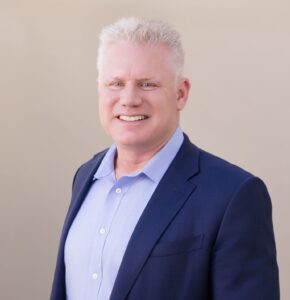
    In this episode of The Med Device Cyber Podcast, host Christian Espinosa is joined by guest Darwin Shurig, the founder of Top Talent Accelerant (TTA) and author of 'The Modern-Day Job.' Shurig brings a unique, multi-faceted perspective to the conversation, drawing from his extensive background which began with over a decade in clinical settings like the ICU and ER, followed by another 12 years on the corporate and commercial side of MedTech leading sales and marketing teams. This dual experience culminated in him founding TTA, a recruitment and talent management firm that focuses heavily on the medical device and combination products industry. Shurig's approach is rooted in analytics and improving the candidate experience, a method that has yielded impressive results, including a 94% offer acceptance rate and a retention rate a third higher than the industry average. The central theme of the discussion revolves around the immense challenges and financial repercussions of ineffective recruiting in the MedTech sector. Shurig argues that the cost associated with quality failures, often stemming from poor hiring decisions, has escalated to over $9 billion annually. This figure encompasses everything from regulatory fines and lawsuits to delayed revenue and the wasted resources of having staff on projects longer than necessary. A major contributing factor to this problem is the flawed modern hiring process. Shurig critiques the common "post and pray" method as deeply inefficient, noting that it often results in a deluge of unqualified applicants, citing an example where a single role received 1,000 applications. The conversation further explores the convoluted impact of Artificial Intelligence, where both companies use AI to screen resumes and candidates use AI to optimize their applications, creating a chaotic environment where "AIs are interviewing AIs" and truly skilled individuals may be overlooked. In response to these challenges, Shurig champions a philosophy centered on human connection and strategic partnership, encapsulated in his slogan, "In the age of AI, people matter." He posits that the most effective way to secure top-tier talent is not by sifting through active job seekers, but by actively attracting the top 10-20% of professionals who are often passively employed. This involves creating a compelling and transparent candidate experience, which includes showcasing the hiring manager and company culture through video. The conversation also delves into the more personal and spiritual journey that influenced Shurig's business philosophy and led to the writing of his book. He shares his story of facing a "perfect storm" of personal and professional adversity, which prompted a spiritual awakening and a fundamental shift in his perspective on life, business, and the unseen forces that shape our reality. This transformative experience reinforced his belief in the importance of authenticity, values alignment, and recognizing the human element in every business interaction.

    Frequently Asked Questions

    Quick answers drawn from this episode.

    • In this episode of The Med Device Cyber Podcast, host Christian Espinosa is joined by guest Darwin Shurig, the founder of Top Talent Accelerant (TTA) and author of 'The Modern-Day Job.' Shurig brings a unique, multi-faceted perspective to the conversation, drawing from his extensive background which began with over a...

    • The financial impact of poor hiring and quality failures in the MedTech industry is staggering, with associated costs exceeding $9 billion annually. The modern recruiting landscape is becoming increasingly convoluted with the rise of AI, as both companies and candidates use it to automate processes, often leading to inefficient screening and poor matches....

    • Shurig's approach is rooted in analytics and improving the candidate experience, a method that has yielded impressive results, including a 94% offer acceptance rate and a retention rate a third higher than the industry average. It's most useful for medical device manufacturers, cybersecurity engineers, regulatory affairs professionals,...

    • The financial impact of poor hiring and quality failures in the MedTech industry is staggering, with associated costs exceeding $9 billion annually.

    Share this episode

    Pre-fills with: "The financial impact of poor hiring and quality failures in the MedTech industry is staggering, with associated costs exceeding $9 billion annually."

    Show original episode notes
    What happens when AI starts screening job candidates who are also using AI to get through the screening process? In this episode of the Med Device Cyber Podcast, Christian Espinosa speaks with Darwin Shurig, founder of Top Talent Accelerant, about why recruiting in MedTech is becoming increasingly difficult and what companies can do to avoid costly hiring mistakes. Darwin explores why traditional “post and pray” recruitment is breaking down, how strong candidates can be screened out while weaker candidates use AI to get through the process, and why some highly specialized roles in AI, machine learning and cybersecurity are remaining open for months. The conversation also looks at the enormous cost of getting talent decisions wrong, why the best candidates often are not actively applying for jobs, and how showing candidates the real culture and expectations of a company can help create better alignment before an interview ever takes place. Darwin also shares the personal journey behind his book, The Modern-Day Job , and how major changes in his business and personal life led him to reconsider success, purpose and the importance of the people we choose to work with. In This Episode: 01:13 Darwin’s journey from critical care to MedTech recruiting 04:38 Why recruiting has become such a crowded industry 06:55 The cost of getting the hiring process wrong 09:00 How AI is changing candidate screening 10:11 Why specialized MedTech roles can stay open for months 11:26 Why traditional hiring processes need to change 12:31 Creating a better candidate experience 13:48 The $9 billion impact associated with warning letters 14:49 Why the best candidates are not applying to your job posts 15:53 When AI starts interviewing AI 16:45 Remote hiring, geography and compensation 18:58 The story behind The Modern-Day Job 36:51 Why values and alignment matter when choosing people 40:33 Building teams around shared values and culture Check out Darwin Shurig’s LinkedIn here: https://www.linkedin.com/in/darwin-shurig The Med Device Cyber Podcast is brought to you by Blue Goat Cyber, cybersecurity experts providing essential security solutions for the medical device industry. Learn more by visiting https://bluegoatcyber.com . If you’re interested in our services or partnering with us, schedule a Discovery Session: https://go.bluegoatcyber.com/meetings/blue-goat-cyber/discovery-session Christian Espinosa is the CEO and founder of Blue Goat Cyber. Christian Espinosa on LinkedIn: https://www.linkedin.com/in/christianespinosa/ Blue Goat Cyber on LinkedIn: https://www.linkedin.com/company/blue-goat-cyber/ Blue Goat Cyber on Instagram: https://www.instagram.com/bluegoatcyber/ Blue Goat Cyber on Facebook: https://www.facebook.com/bluegoatcyber/ Blue Goat Cyber on YouTube: https://www.youtube.com/@BlueGoatCyber/?sub_confirmation=1 Download MP3 — full interview
    Darwin: 25% of candidates are fake. There are companies out there that are using AI to screen candidates and candidates are using AI. We actually have scenarios where AIs are interviewing each other. Christian: What? Christian: I've been meaning to look that up. It's $9 billion from delay to market, delayed revenue, keeping a staff on longer than needed, all that? Darwin: Yeah. When you look at legalities, lawsuits from deaths, not being able to sell the product, fines, all of it, yes, it's tracking this year over 9 billion with a B. Darwin: You know, one of the roles they had a thousand applications. The VP of HR is like, I don't have time to do this. And then I get them in here and they can't speak to this or that. Darwin: my slogan, if if if you will, is that in the age of AI, people matter. Christian: Hi, welcome back to another episode of the Med Device Cyber Podcast. Today we have an author of, I got his book right here, The Modern-Day Job, Darwin Shurig. And we have, um, quite an interesting conversation. We'll have quite an interesting one about recruiting and talent in the industry because I think based on the last panel I did in Singapore, uh, recruiting and getting the right talent for your team is a big challenge, uh, when you're trying to bring a product to market in MedTech. So excited to have you here, Darwin. And where are you coming to us from today? Darwin: I'm, uh, I'm in Lamonte, Italy right now. So... Christian: Are you really? Darwin: Yeah, working remotely from here. I've got, I look over to my left, I've got this gorgeous view of the lake, so it's, it's not bad. Christian: I didn't know you were in Italy. Um, coming all the way across the world, halfway across the world. I'm in um, Tempe, Arizona today. Tomorrow I'm supposed to fly to Spokane, but there's a bunch of fires there and then go to Coeur d'Alene to meet up with some college buddies that I haven't seen in like 30 years. So a few of us are meeting up there. It should be interesting. Darwin: That's a beautiful place to, to meet for sure. So. Christian: So maybe you could tell us a little bit about your organization, a little bit about yourself and some of the your experience in MedTech and, yeah, just give your perspective on things. Darwin: Yeah, absolutely. So, my background is, is clinical. I spent, uh, over a decade in ICU, ER, a lot of critical care, ventilator experience. And then, uh, went and and got an MBA and kind of moved over to the corporate side, commercial side of things for 12 years leading, uh, commercial teams for business development, marketing, sales teams. And then, um, completely lost my mind and, uh, moved into the entrepreneurial world to start, uh, a recruitment firm, a talent management. Never in a million years really thought that that would be something that I would do, but it's been a, a beautiful journey. I love really almost all aspects about it. And, um, during that time frame, always been very, you know, outcome analytics driven. So my goal's always been to really change the candidate experience, to improve it, to the benefit of companies. And so during that time, 94% of our offers have been accepted, 53% of candidates promoted within 24 months. And, uh, so got the right skill, fit the culture and doing a good job and being rewarded. And then third higher retention rate than the industry average, which, um, really, you know, kind of led to the company was called Shrick Solutions Incorporated for the first 10 years. Uh, about three and a half years ago, kind of those outcomes and looking at processes and what's kind of been coming with AI led me to develop and build out the software as a service called Top Talent Accelerant and that's why the company was rebranded. Uh, we built it for about a year and then just uh, brought it to the market initial testing and piloting here at the beginning of this year. So that's, um, really 90, you know, plus percent of what we do is in medical device or combination products. And then, uh, also on the board of quality means business. And uh, just love the industry, love what we do. Christian: It's something I can get behind. I felt like for a while I just did cybersecurity in other industries where it was protecting data, but now I get to work with innovators and companies that are bringing products to market that can really help patients and humanity. So it's a, it's a much different experience. And everybody, maybe not everybody, but most people in the industry are are very passionate and driven and typically have some sort of personal story about why they're doing what they're doing, which I think is very unique in this industry. Darwin: I think you're right. And especially in the startup area that we, you know, met in and that we've been in, uh, I mean, for me, I've been immersed in it for seven and a half years now, a lot of the innovators have either had a personal experience clinically or a loved one that had a specific health challenge that led them to try to create, bring the solution to the market to that problem. And so there is certainly a desire, you know, to, to bring things to the market that improve patient outcomes, patient access, or efficiency to the industry overall to the, to the benefit of all our families. Christian: I guess, what is it like being an executive recruiter? Because it seems like in this industry, there are a lot of recruiters. I mean, I can think of at least 10 off the top of my head that I know very well. Darwin: Yeah. Christian: It seems like a lot, but maybe there's just a lot of talent that's needed. So what, what is your perspective on that? Darwin: Like a lot of things, maybe real estate might be a potentially, uh, industry that I think when the market is good, it's easy, people have a tendency to move into it. It's a low threshold or barrier to entry. You don't need a certain degree or a license per se. And so, when it, when the fishing's good, I think people tend to, you know, think that it's a, it's a good place to make money. It's also a place where rejection, direct and indirect, it's, it's very, can be very difficult. And so, I don't know what the exact numbers are now when I first came in, I was told that 80 to 90% of people that enter the market don't make it a year. Um, at the same time, it's a $200 billion industry. And so there's a, there's a lot of money there. Uh, there are a lot of examples of companies that have a hard time hiring for for themselves. And so it is definitely a marketplace that can be very crowded. And, at the same time, I think the numbers and, you know, just point to that that overall, when I first got in, it was allegedly about $145 billion industry. So that's a lot of, that's a lot of money. There's a lot of examples of companies that struggle to hire the right talent. And so I think that it depends on being niche, having how you differentiate yourself from the marketplace relevant to outcomes, analytics. I, I believe it's always been important, but I think in terms of AI and the challenges that AI is bringing to talent management and recruiting and the industry, I think the differences between recruitment firms and, and what they do differently or how they differentiate themselves is going to be, it's going to be even more important. It's going to be a premium. Christian: Right, like you said, the candidates are using AI as well. Um, I've been listening to on my walk. It's uh, Buy Back Your Time by Dan Martel. And one of the things he says in the book is, uh, you should never hire somebody unless they're willing to record an interview or record them answering questions and send it to you. That was his thing. And he, he talks about this argument with the staff because the staff's like, well, not everybody's comfortable in front of camera. And his argument was, well, if they won't do that, they're probably not going to be a good fit for our culture. Do what do you think about like the interviews and in person and things of that nature? Darwin: There are certain things that just don't make sense anymore to continue and I, you know, we've all interacted with companies or heard scenarios where it's like, well, this is always, this is the way we've always done it. Like, things are changing very, very quickly. So that's just not a good response. It's not a, it's not a good emotionally intelligent response. Um, and it, and it leads to reactionary scenarios, which are typically not good. And so, you're, you're, you just kind of lobbed me a softball because part of the whole idea of how I created Top Talent Accelerant, which I give the complete credit to God, I mean, he really gave me the idea when I was hiking and, um, three and a half years ago. But we started a process where we were recording video with the hiring manager. It's like, there needs to be a better candidate experience. Too many of the candidate experiences are not good. Process slow, not respected, not good communication. And so, that is, uh, I, my, my, my slogan, if you, if you will is that in the age of AI, people matter. Christian: Well, thank you so much, uh, Darwin for being a guest and coming to us all the way from Italy, spending your evening with us. Darwin: Awesome. I really appreciate the invite. Uh, humbling. Always appreciate all my interactions with you and look forward to seeing you in, in Hong Kong. Christian: All right, awesome. And, uh, thanks everyone for tuning into the Med Device Cyber Podcast. We hope you found this episode useful and valuable, and we hope to see you on the next one.

    Hosted by

    More from your host

    Other episodes diving into Christian's areas of focus.

    Listen to this episode