Hospital networks act as hostile operational environments under constant attack
presenting substantially greater threat surfaces for connected medical devices than residential home networks.
The most critical patient safety risk for diagnostic cardiac sensors is unauthorized data...
The most critical patient safety risk for diagnostic cardiac sensors is unauthorized data tampering that induces clinical misdiagnoses, rather than patient data exfiltration.
Adopting a phased architecture—transitioning from isolated
on-device compute screens to networked mobile connectivity—allows emerging medtech startups to systematically scale their cybersecurity controls.
Manufacturers can utilize the FDA's Predetermined Change Control Plan (PCCP) framework to...
Manufacturers can utilize the FDA's Predetermined Change Control Plan (PCCP) framework to iteratively update on-device AI algorithms without submitting repetitive premarket applications.
FDA regulatory clearance functions solely as a safety gate
requiring manufacturers to reverse-engineer commercial viability, reimbursement codes, and clinical workflow adoption early in development.
Episode Summary
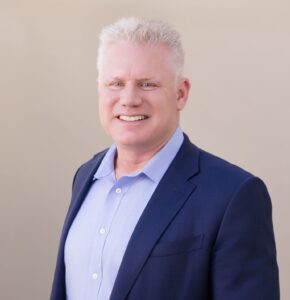
In this episode of The Med Device Cyber Podcast, host Christian Espinosa and guest Trevor Slattery welcome Ryan Neely, co-founder and CEO of Scribe Medical. Neely shares his background in neural engineering and explains Scribe Medical's non-invasive, battery-free wearable patch designed to detect cardiotoxicity and monitor left ventricular ejection fraction in cancer patients undergoing chemotherapy. The discussion explores common misconceptions about medical device cybersecurity, emphasizing why connected devices on hospital networks face significantly higher adversarial threats than home remote patient monitoring environments. The panel analyzes the primary device risk of data manipulation causing diagnostic misinterpretation rather than simple data exfiltration, underscoring the importance of building threat narratives to distinguish actionable risks from low-impact vulnerabilities. Furthermore, Neely details regulatory strategies for updating on-device machine learning algorithms using the FDA's Predetermined Change Control Plan (PCCP) framework. The conversation concludes with a strategic examination of medtech commercialization, highlighting why FDA 510(k) or premarket clearance represents merely an initial gateway rather than the finish line. Device teams must proactively integrate clinical workflows, fee-for-service versus remote patient monitoring reimbursement models, and threat modeling into their product security architectures.
Chapters
0:00You can have a product that is great, but if nobody wants
24:07doesn't matter. You got it cleared by the FDA. Yeah, I totally
28:09and I think it's just a lot of foresight to, to make
Frequently Asked Questions
Quick answers drawn from this episode.
In this episode of The Med Device Cyber Podcast, host Christian Espinosa and guest Trevor Slattery welcome Ryan Neely, co-founder and CEO of Scribe Medical.
Hospital networks act as hostile operational environments under constant attack, presenting substantially greater threat surfaces for connected medical devices than residential home networks. The most critical patient safety risk for diagnostic cardiac sensors is unauthorized data tampering that induces clinical misdiagnoses, rather than patient data...
This episode covers FDA Premarket Cybersecurity and Threat Modeling. It's part of The Med Device Cyber Podcast, hosted by Blue Goat Cyber, focused on practical medical device cybersecurity guidance for MedTech teams.
The discussion explores common misconceptions about medical device cybersecurity, emphasizing why connected devices on hospital networks face significantly higher adversarial threats than home remote patient monitoring environments. It's most useful for medical device manufacturers, cybersecurity engineers, regulatory affairs...
Hospital networks act as hostile operational environments under constant attack, presenting substantially greater threat surfaces for connected medical devices than residential home networks.
Listeners also asked
Quick answers pulled from related episodes.
What does Episode 26 cover about "How to Measure Exploitability in Medical Device Cybersecurity"?
How do you calculate cybersecurity risk when the thing you are measuring has an attacker making decisions on the other side? Probability works when there is historical data to lean on. Elevator cables wear out. Steel fatigues. Tornadoes follow patterns. A motivated attacker...
What does Episode 24 cover about "Why Medical Device Penetration Testing Is Different"?
What makes medical device penetration testing different from a traditional cybersecurity penetration test? In this solo episode, Christian Espinosa explains why medical device penetration testing has to be approached through the lens of patient safety rather than simply data...
What does Episode 20 cover about "How Ethical Hackers Find Weaknesses in Medical Devices with Parker Daudt"?
What makes medical device penetration testing different from traditional cybersecurity? Christian Espinosa is joined by Blue Goat Cyber penetration tester Parker Daudt to explore what ethical hacking looks like when the device being tested can directly affect patient safety....
Pre-fills with: "Hospital networks act as hostile operational environments under constant attack, presenting substantially greater threat surfaces for connected medical devices than residential home networks."
Cancer treatment is already difficult enough without adding more hospital visits, more testing, and more delays. Yet many cancer therapies carry a significant risk of damaging the heart, forcing patients to undergo regular cardiac screening throughout their treatment journey. What if clinicians could monitor cardiac function with a simple wearable patch instead? In this episode of the Med Device Cyber Podcast, Christian Espinosa sits down with Ryan Neely, co-founder and CEO of Skribe Medical. Ryan shares his journey from neuroscience research and implantable neuroprosthetics to building a company focused on improving cardiac monitoring for cancer patients. The discussion explores the growing field of cardio-oncology and the challenges patients face when cancer treatment depends on frequent cardiac assessments. Ryan explains how Skribe Medical's wearable monitoring platform aims to reduce treatment delays while improving patient convenience through a battery-free, AI-powered patch designed to measure cardiac function. The conversation also takes a deep dive into cybersecurity considerations for connected medical devices. Ryan and Christian discuss common misconceptions about cybersecurity risk, why hospital networks often present greater challenges than home environments, and how device manufacturers should think about security as products evolve from standalone systems to connected healthcare technologies. Finally, the episode explores commercialization, reimbursement models, FDA engagement, and the reality that regulatory clearance is often just one milestone in a much longer journey toward successful adoption. Whether you're a MedTech founder, healthcare innovator, cybersecurity professional, or clinician, this episode offers valuable insights into the intersection of patient care, connected devices, and healthcare innovation. Episode Breakdown 00:00 – Introduction 01:53 – The hidden cardiac risks of cancer treatments 02:58 – Skribe Medical's wearable cardiac monitoring platform 03:53 – Future applications beyond oncology 04:45 – Battery-free device design and patient comfort 06:00 – Remote patient monitoring and reimbursement models 09:40 – Cybersecurity risks for connected medical devices 14:06 – Why hospital networks present unique security challenges 16:02 – FDA cybersecurity expectations and evolving regulations 19:03 – Regulatory changes and long MedTech development cycles 21:02 – Commercialization versus FDA approval 24:13 – AI models and the Predetermined Change Control Plan 25:55 – The realities of clinical testing and device validation 28:14 – Final takeaways and lessons learned Find Ryan Neely here on LinkedIn: https://www.linkedin.com/in/ryan-neely-ph-d-14464340/ The Med Device Cyber Podcast is brought to you by Blue Goat Cyber, cybersecurity experts providing essential security solutions for the medical device industry. Learn more by visiting https://bluegoatcyber.com. If you're interested in our services or partnering with us, schedule a Discovery Session: https://go.bluegoatcyber.com/meetings/blue-goat-cyber/discovery-session Christian Espinosa is the CEO and founder of Blue Goat Cyber. Christian Espinosa on LinkedIn: https://www.linkedin.com/in/christianespinosa/ Blue Goat Cyber on LinkedIn: https://www.linkedin.com/company/blue-goat-cyber/ Blue Goat Cyber on Instagram: https://www.instagram.com/bluegoatcyber/ Blue Goat Cyber on Facebook: https://www.facebook.com/bluegoatcyber/ Blue Goat Cyber on YouTube: https://www.youtube.com/@BlueGoatCyber/?sub_confirmation=1 Download MP3 — full interview
You can have a product that is great, but if nobody wants to buy it, there's no cost reimbursement, it doesn't fit into a clinical workflow, it doesn't matter. You got to clear it by the FDA. They're not doing any diligence to say whether it's a viable commercial product and making sure that you understand that piece and how it's going to fit into the workflows and the, the payer landscape. The clinical case that really presents the most challenge because you're operating on this hospital network, and that's really what you have to think about. I think it's safe to say most People's home networks are not like super secure. Hospital networks are under attack constantly. From a medical device perspective, if you put a medical device on a hospital network, we consider it like a hostile network. Hi, welcome back to the Med Device Cyber Podcast. Today we have a special guest, Ryan Neely with Scribe Medical. Ryan is coming to us, I think you said Mill Valley, is that right? That's right. That's right, north of San Francisco? We're just over the Golden Gate. Okay, that's a nice area to run. There's a guy, I took this course, it was called Chi Running, it was like running with Tai Chi principles in mind so your body's aligned, and he was based out of that area. He always had these videos of him running on that mountain or the hill right outside the Golden Gate Bridge. Is that Mill Valley basically? Pretty much. Yeah. And I've actually read that book, so I know exactly what you're talking about. Oh, okay. Yeah. Danny, um, Truer or something. Yeah. I took a class actually from it. It's good. It's about running. Like if you lean forward, you run faster because you're going to fall. So cool. So why don't we, uh, why don't you tell us a little bit about your background, Ryan, and what you're up to at, uh, Scribe Medical and, and kind of where you are in your med tech journey and everything else. Yeah, for sure. So, um, I come from actually a neuroscience background. I did my PhD at Cal working on brain-computer interfaces, uh, you know, implantable neural prosthetics that kind of turned into a company where I was the first employee. So that got me my first taste in med tech. We were doing essentially wireless implants that were powered by ultrasound, a company called Iota Biosciences. That, you know, kind of transitioned into a little bit of drug discovery in the oncology space. And then more recently, I was doing some wearable neurotechnology in, you know, sleep health to promote healthy sleep. And, you know, I kind of put all those things together with my two co-founders to create Scribe Medical. And what we're doing at Scribe is heart monitoring for cancer care. And just to dig a little deeper into what that means, uh, cancer drugs, you know, a lot of them carry a high risk of heart damage. And so many of these drugs like anthracyclines or HER2 therapies require patients to come in pretty frequently and get a cardiac ultrasound to make sure that, you know, their heart is in good shape. or, you know, to see if they need any kind of intervention. You know, the challenge with that, uh, for a lot of these patients is that first of all, it adds a lot of, uh, burden to patients who, you know, already have a lot of appointments, you know, coming in every few months to get these ultrasounds, uh, can be challenging. And for oncologists, you know, they're often waiting for the results, uh, of these screens, you know, to be interpreted by a cardiologist so that they know it's safe to continue treatment. and that can add to treatment delays, which is obviously problematic. Uh, and so what we've done is create a little wearable device, have it here, um, that just sticks on right above your heart and it can measure the types of, uh, signals that relate to cardiotoxicity caused by these drugs. And in particular, we're looking at left ventricular ejection fraction. Using an AI model combined with a number of sensors that we have built into the device, and basically allows oncologists to spot-check patients whenever they need to and, you know, get on with treating cancer without any delays. So that's really kind of the idea behind Scribe. That's pretty awesome. Is it just used for, or is this like your first use case for the cancer drugs and the side effects from those to the heart, or are there other uses later on? It's said that it's a medical device. It seems like to me this could be used for a number of things. Yeah, absolutely. I mean, we do have kind of a broader roadmap. Something that doesn't alter that flow. What we're measuring is pretty applicable in the case of heart failure. You know, a lot of what these patients are experiencing essentially is an accelerated form of heart failure. So, heart failure space, definitely something we could operate in. Uh, and then actually, uh, peripartum cardiomyopathy is another condition. So pregnant women, uh, are at risk of kind of a similar issue actually where they experience a, a loss in cardiac function and, and we're looking to detect that as well. So, yeah, I mean, I think there are a lot of spaces we want to move into. I think in cardio-oncology, we've really found a high unmet need where there's just not a lot of great tools for oncologists to measure cardiac function. And so one of the technologies that we've developed, and I didn't talk about this earlier, but it's essentially a way to transmit energy and data across the surface of the body. And that really allows the device to shrink because it doesn't require a battery to operate. So you can put the patch right over your heart. It's like a flexible bandaid. And really the goal is to maximize convenience and comfort. You know, for patients, it's everything. You know, you think about cancer patients going through all these treatments, you know, they're obviously feeling not great all the time from the side effects. And the last thing you want to do is create this additional discomfort or burden And then from the doctor perspective, you know, I think to succeed in medical devices, if you're building something that is intended to fit into clinical workflows, you know, you really have to minimize that friction and reduce the load on, you know, whether it be a nurse practitioner or an oncologist, you know, reducing their load, not adding extra data to their plate. and that's, I think, really the key to succeeding, you know, commercially. There's like this push towards remote patient monitoring so the patients don't have to go see a physician as often, which drives convenience. But I was thinking about from a, a revenue model as a hospital or physician, don't I generate revenue by those appointments with the patients? And how do I like supplement that if I'm able to monitor remotely, like how— maybe this is the wrong discussion here, but I was just kind of like, just going through my head, like, you know, at some point we can almost have devices on patients where they rarely ever have to go to the hospital. But the old model, I thought, from an insurance reimbursement perspective is by appointment, right? So how does that get reconciled and how does that affect your go-to-market strategy? If it does even, I don't know. Oh, it absolutely does. And thinking about that, business model, you know, even though it seems, you know, to be kind of a piece of the puzzle, it's really the only way to get these devices into people's hands and have them actually impact care. So for us, you know, building for oncology, it's kind of a unique use case in that, especially in an independent oncology clinic that isn't vertically integrated with cardiac imaging or a cardiology facility, those oncologists aren't already, you know, getting revenue from performing these echocardiograms. Usually they're sending patients elsewhere to get these screenings done and they're read by a cardiologist at another facility. So when we are designing our business model, at least for the in-clinic case, we envision a situation where we're going to be reimbursed per use or per read per test. And then we'd split that revenue with the clinic, with the clinic so that it's actually an additional source of revenue for them. And so there's kind of an incentive financially as well from a patient care perspective to do this testing. And then I think you also mentioned kind of this remote monitoring piece, where we're sending patients home with devices or doing something outside of the clinic, you know, there, there do exist models there, where clinicians get some reimbursement for actually reviewing the report. So usually, these reports are reviewed by somebody on the clinical side. And they do get some reimbursement for that. And so that can be a way to kind of spread their expertise more broadly, rather than having a handful of patients who come in locally, they could potentially see a broader spectrum of people from all over the place and review those reports. So I think the landscape is changing and we'll kind of see how it shakes out, but there are ways to kind of make that business side of things work as well. Yeah, so interesting perspective. I guess if I have a clinic in Arkansas. I grew up in Clarksville, Arkansas, like population 5,000. There's only so many patients, but if I can remotely review information from patients all around the world, I can expand my, my business even at that location, right? Yeah, exactly. And I think it's the demand is there certainly from the patient side. People are really interested in doing that and Finding a way to make it work, you know, in the clinic, I think is going to follow pretty quickly. Awesome. Trevor, from a cybersecurity perspective, what do you think some of the cybersecurity concerns are with a device like this? So I think when we're looking at what could go wrong from a cardiac reading perspective, we aren't really storing anything that sensitive. And I think this kind of goes back to something that we always talk about, Christian, which is some of the misconceptions around cybersecurity in this space. It's not really about the data. We're not going to say, oh, we're trying to exfiltrate these cardiac readings and then we got them. There's not really that much that an attacker is going to gain from a financial perspective. And that's, that's what it is. Cybercrime is a business. They want to make money from this. And so the attack vectors that they're going to try to consider is, A, is this the weakest— is this the weakest chain in the armor? You mentioned using this in a clinical setting. If this is a way to attack something more sensitive in a clinical setting, let's say go from this device into their domain network and then somehow compromise their Salesforce instance or get onto a PACS system with a ton of medical records. There are a lot of different things that we can do there. But for the device itself, One really scary risk that can come up is triggering a misdiagnosis, trying to read out information and modifying what happens in real time. And we've been able to do this with a wide range of different types of devices where we're able to say, you know, we can set a filter and just amplify anything. We'll say that there are dangerous readings when there aren't, and we'll mask dangerous readings when there are. So we can directly cause some measurable harm to an individual by trying to mask the information that's coming out of it. Of course, it's going to depend on how do we actually access this. That's the number one question is do we need to have our hands on it? Someone will probably notice if we're touching the device while they're wearing it, and so might remove a little bit of the risk. But what if we can do it from another room? What if we can do it from another city or another state or another country? So the further away we get, the bigger this risk becomes. Yeah, I mean, I think that's absolutely something that we've thought about too, and I kind of mentioned this phased approach of building devices and kind of iterating on this process. And I think it's true from a cybersecurity perspective too. The first device we're building is going to be intended to kind of run on its own. So it'll provide a readout from the front of the device. So you'll have a little screen so you can put it on, it'll take the reading, everything will happen on device, and then you get that readout. But of course, you know, as we advance, we're going to want the opportunity to put this in the home. You know, in that case, we'll probably have some connectivity to a mobile device, whether that's, you know, the patient's device or something that we provide. But like you said, it kind of opens up these attack vectors. And the last thing you'd want is somebody to modify the device output to give a false reading or incorrect reading in any way. So yeah, it's something we've definitely thought about. And I think us as a small company, we're trying to think about how we can kind of take on these different, uh, challenges kind of in a, a step-by-step manner and make sure that, you know, we're, we're kind of building up to those, you know, bigger, you know, kind of hairier risks, uh, as we go along. It's 100% the way to do it. Trying to just dive into your final iteration, it's gonna make it seem like a bit of a mountain. And from the cybersecurity perspective, it's kind of interesting how that profile actually changes a little bit. You brought up shifting towards home use. One thing that we hear all the time from medical device manufacturers is, oh, we're worried about the risks at home because nobody has any protections over their home network. And I tell them, well, that's true, but you don't really need it that much. The home network is not the target of an attacker. You think about what's exposed to the open internet from, you know, my network here. It is the public IP for my router, and that's it. I don't have anything else going on, and I don't have any sensitive data. I don't have a database filled with patient records here or financial records for someone to break into. There's not really any gain. But that clinical environment, that's where there's so much more going on. They have all these layers of protections that you don't have at home, but they're so much more complication and the attack surface is so big, that's usually where the biggest risks present themselves. I'm so glad that you brought that up because it was an assumption that we had early on that was, uh, completely false, was that, you know, we imagined the home environment as this kind of Wild West. Like, I can't predict the, you know, IT setup at everyone's home, and, you know, you think it creates all these, um, challenging cases for cybersecurity. But as you mentioned, as we really started to dig into it, it was the clinical case that really presents the most challenge because you're operating on this hospital network. And that's really what you have to think about is how do you, you know, protect not only, you know, your device and whatever software is associated with it, but, you know, now you're sort of plugging into this broader system where there's a lot at stake. So, I don't know if that was just us, but that was definitely a misperception that I had, was that, you know, the home use case was going to be far more challenging than operating in clinic. Well, I think it's safe to say most people's home networks are not like super secure, but as Trevor said, hospital networks are under attack constantly. And from a, From a medical device perspective, if you put a medical device on a hospital network, we consider it like a hostile network, 'cause the adversary is probably already on that network, and that device you put on it is gonna get attacked immediately. And we haven't made that much progress. I think we're trying to make progress with hospitals, but it seems like just about every other day in the news, you hear of a bigger data breach, and all these records stolen, this hospital has ransomware. So we're making progress, but it is super slow in relation to the slowing down of incidents that are actually occurring, especially ransomware. This still happens pretty much on a daily basis against a major healthcare delivery organization. You know, I'd be interested from your perspective, you know, one thing I'm sure that's on the minds of a lot of people developing medical devices that are connected is how to meet kind of the regulatory requirements around cybersecurity and things like that. Do you find that the FDA's concerns are kind of aligned with what you've kind of laid out here is thinking about the hospital network as the thing to be afraid of, quote unquote, or worried about compared to the actual device itself? Um, are, are there any sort of interesting, you know, disconnects maybe between the regulatory landscape and kind of what you see, uh, in the real world? That's a tricky question. I think it comes down less to the regulations and more to the regulators. The regulations are very slow to adapt. Regulations, no matter what, are slow to adapt, but especially something like cybersecurity where hours are the pace that we change instead of years for the regulations. We look at conversations 3 months ago around cybersecurity and it's nothing like what we're talking about today because it's just— technology changes so fast and threats against it evolve just as quickly. And so I think that the regulations are in a little bit more of a frozen pattern where we're still following practice that was written and enforced 3 years ago, which 3 years doesn't seem like a lot of time, but a lot can change. I do think that even though the regulations themselves aren't as fluid, the regulators and the FDA especially does a fantastic job fantastic job of staying on top of this. I know everyone kind of treats the FDA as this mythical dragon that they have to slay to go sell their device, but they really do a great job of making sure that they're being reasonable. They want to work, they want your device to be on the market, they want to work with you. And so we'll talk to these regulators and say like, look, what can you actually do with this? Yes, there is a vulnerability in this device. What does it matter? Let's talk about this. Let's really paint the threat narrative from start to finish. How does that go? And if you paint the correct picture and you have all your facts straight and you say, look, sure, someone can compromise this functionality in a very complicated way, but they can't do anything with it. The regulators are going to listen to you. Their concern is that you keep the patient safe and you've done your due diligence. They don't want to just see that you've gone through a blind box ticking exercise to say the device is perfectly secure because it's just not realistic. It's an interesting topic because I was speaking to someone last week about if the FDA and other regulatory bodies around the world are, are doing the right things with cybersecurity. And I was trying to look at it from the whole market perspective because on average it supposedly takes 7 years to bring a medtech product to market and $35 million. And I think since 2023, September, the FDA had some guidance, it was draft, and then there was a new version and then there's a new version. So it's like they slowly have like changed things from recommended to mandatory. And, you know, now it's February of 2026. There's some final guidance, but that is still pretty fast. I know, Trevor, you're thinking it's slow from regulatory perspective, but in the timeline of it takes someone to develop a product, If you're like midway through your development and all of a sudden you have to introduce these new rules, that's a major hurdle you now have to overcome if those rules didn't exist 4 years ago when you started your development. So it's like, this is like a challenge with people in the middle of a process. And I feel like, you know, eventually we'll get to the point where people are starting the development with the new guidance and already in place. But right now we've got a lot of people like midway through because it's such a long development cycle in a regulated industry like medtech? We haven't had any course corrections or shifts around regulation. I think honestly some of the headwinds have been, in my opinion, favorable for us. I think you, you can look at, you know, the programs that the FDA is trialing now, like the Tempo program, where they're looking at, you know, allowing devices to come on market and kind of develop supporting evidence before you actually submit for clearance or an approval. Obviously, these are for low-risk devices or digital tools. You know, I think for the most part, they're, they're really forward-looking. And I would kind of agree with your assessment there too. I'm sure they're balancing this, you know, how do we move fast to kind of stay ahead of all these emerging threats without throwing a wrench into these development programs that have been going on for, for probably years. I think, you know, for us, the thing that has helped our thinking evolve the most is really more along the commercialization side of things. Um, you know, that's a really difficult thing to wrap your head around a lot of times. And I think a lot of people, like you said, like get this notion that getting through the FDA is like slaying this dragon, but I think they're actually just a gate that you go through. And then the real dragon is how do you commercialize a device and make it work from a financial perspective, both for your company, but also for payers and for patients. Providers. So I think that's what we've been keeping our finger on the most is looking at how these different types of commercialization paths are opening and closing for us, whether that's value-based care or kind of these new programs that are really focused on outcomes versus kind of how do you fit into this existing fee-for-service model. and all the baggage that comes with that. So, you know, that's really been what we're thinking about the most day to day. Although I will say, you know, you can't ignore the regulatory aspect, but, you know, we've talked to the FDA before and I agree with you that it's really more of a conversation and more about, you know, a rational discussion of the threats or risks that are associated with what you're building. I think something interesting that came up, uh, is that FDA clearance is a gate. And I wonder, it sounds like you've been thinking about it, Ryan, but I wonder how many medtech innovators think about it as a gate versus the finish line. Because like you said, the real dragon shows up when you get through that gate. And that's like your go-to-market strategy, your commercialization strategy. The FDA doesn't really analyze that. So you can make it through the FDA where it's like no viability on the market actually, unless you thought that through and reverse engineer it, which we always advocate people do that. But you can have a product that is great, but if nobody wants to buy it, there's no cost reimbursement, it doesn't fit into a clinical workflow, it doesn't matter. You got it cleared by the FDA. Yeah, I totally agree. I mean, if you think about it, really what the FDA is doing is, is they're saying Yeah, this device is safe. And, you know, in some cases it works as you say it's going to work, but they're not doing any diligence to say whether it's a viable commercial product. And, you know, making sure that you understand that piece and how it's going to fit into, as you mentioned, the workflows and the payer landscape. Maybe it's not going to fit into the payer landscape and it's going for self-pay, but just knowing those details ahead of time is, is really, I think, the key to succeeding. Like I said earlier, you know, it's not gonna get into the hands of patients or providers unless there's, you know, a way to, to make it work as a business. So yeah, I totally agree with that. I don't know if it's, I don't think it's this iteration of your product, but you mentioned AI, using AI in the future. Have you found it challenging with some of the requirements for AI to get that implemented in your product? It hasn't been an issue for us yet. I mean, the, you know, we're looking at the sort of predetermined change control program, the PCCP, as a way to update our AI models. You know, we do have an AI model in the device now. Essentially, it takes all these sensor data and crunches them together to to predict or deliver an estimate of left ventricular ejection fraction, which is, as I mentioned, kind of the signature of cardiotoxicity in our patient population. It's undoubtable that, you know, we're going to want to update that model as it improves, as we get more data. And there does exist a framework for doing that through the PCCP, at least in the context of the FDA. And it's not something that we've had the opportunity to work with yet, but I think I understand, or I can envision how it will work in the future. And I think, I think it's a good idea. You know, you don't want to push updates kind of without, you know, testing them properly and, um, you know, vetting the, the outputs against, uh, you know, predetermined subset of training data, but at the same time, you don't want to hamstring all this great innovation that's happening in the AI space. So I think it strikes a good balance, but, you know, we'll see in practice if that rings true. As a medtech innovator, Ryan, is there like one particular thing or study that's been the most challenging, like biocompatibility, clinical trials, like sterility, you know, it's like one thing that's like the thorn in your side, or cybersecurity, whatever that is. Like, this is like one thing that always is the bigger obstacle, you think? I will kind of reach back in time a little bit to when I was working on active implantable devices, and, and for sure the clinical environment, you know, actually getting into even, even like a large animal study before you even get to a human trial. That really is challenging because you're making this transition from essentially that benchtop environment to this kind of high-stress operating room setting where, you know, you only have enough time to get in there, you know, take your measurement, get your device situated, and kind of get out and let the team, you know, the surgical team do their job. And I think that can be challenging because there's not enough time to really be there troubleshooting things. You know, the, the surgeon's not gonna wait for you to reboot your laptop and, you know, update the firmware or something. So it's a lot of preparation and I think it's just a lot of foresight to, to make sure that you're prepared for those things. You know, that it's been nice at Scribe working on non-invasive devices. I will say, I think You know, we've done a clinical trial, we're in the middle of a clinical trial and I think we've measured a little over 200 patients now. And, you know, for the most part it's straightforward. I think you also have to take into consideration that you're working with real people and they're not always gonna sit still and, and, you know, follow your instructions exactly. But I think the stakes are a lot lower in that setting. But yeah, I mean, I think anytime you're getting into a setting with real people and all the, you know, sort of respect you have to have around that process can be a real challenge. And I think that is probably true for a lot of med device companies. Cool. Well, we're coming up on time. I like to go around the room and ask for some key takeaways. Or words of wisdom based on our conversation here? So I always start with Trevor, so I know he's ready. Start with Trevor, then I'll throw it over to you, Ryan, and then some key takeaways from our conversation or words of wisdom for our audience, for our listeners. You know, I think something that we all kind of touched on here is the FDA is not your end goal. The end goal is getting your products in with patients and in with physicians. And a lot of medtech innovators do have this mindset where the FDA is the that's the hurdle. Once you're all over that, then it's smooth sailing from there. And I don't think that's always the case. So understand that the FDA should be thought of as more someone you're working with during this process to design your device safely and effectively and not as an adversary. And it's definitely not the final adversary going through this development process. I like it. All right. What about you, Ryan? Yeah, I mean, I think my takeaway is, you know, learning from both of you and the insight that you've had and definitely going to think about this going forward is just kind of level-setting the level of risk for these different, you know, vectors of attack in the cybersecurity department, you know, especially considering how, you know, your device could inadvertently allow access to a hospital network, um, that, you know, as you mentioned, is constantly under attack, uh, and, you know, kind of balancing that with Obviously, there's a little bit of risk on the device side, but maybe the bigger challenge when you think about these kind of Internet of Things connected devices is considering the environment that they're operating in and how that might impact how you're designing the device. My takeaway is about the dragons. I'm not really a big fan of those dragon shows. What's that one? Game of Thrones, all that garbage. I'm not a big fan of that. But I like the dragon analogy because I think there is this perception that if I get through the FDA, if I get FDA cleared, I've slayed the dragon. I think that's what you said, Trevor. But there's always a new dragon and we need to realize that the new dragon could be reimbursement. It could be the economy. It could be a competitor. There's always going to be another dragon pop up. So we need to be prepared to slay dragons constantly, not just one at the FDA as an example. So I think that's something we need to consider the infinite dragons and keeping our skills up to slay them. Well, thanks so much, Ryan, for, uh, coming and being a guest on our podcast. Uh, we hope you enjoyed our discussion and we hope our listeners found value in our conversation. Yeah, absolutely. It was, it was a pleasure to be on and I appreciate you guys taking the time to talk with me. So thank you very much.