Validate the clinical need — Involve relevant clinicians early and test whether the product fits...
Validate the clinical need — Involve relevant clinicians early and test whether the product fits real clinical pathways rather than relying on a few encouraging conversations.
Understand the investor before pitching
Research an investor’s clinical focus, funding stage and priorities so the conversation fits the company’s needs.
Build relationships before money is urgent
Use industry events to seek informed advice and establish credibility well before a fundraising deadline.
Plan and budget for cybersecurity early
Christian and Gavin discuss product cybersecurity as a due-diligence concern; a pitch-deck budget is not itself an FDA legal requirement or proof of compliance.
Stay objective about the company
Accept critical expert feedback and reconsider an unworkable product instead of treating the startup as something that can never be changed or abandoned.
Episode Summary
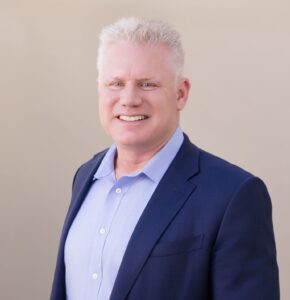
Gavin Leonard of MedTech Syndicates joins host Christian Espinosa to discuss what makes an early-stage medical technology company investable. They explore clinician validation, investor fit, networking before a funding round, and why founders need to accept candid feedback about their product and clinical value.
The conversation also examines cybersecurity as part of investor due diligence and early product planning, including budgeting for security rather than waiting until submission or redesign. These are interview perspectives, not a determination that any particular device meets FDA requirements; connectivity alone does not establish the statutory cyber-device definition.
Frequently Asked Questions
Quick answers drawn from this episode.
Gavin Leonard of MedTech Syndicates joins host Christian Espinosa to discuss what makes an early-stage medical technology company investable. They explore clinician validation, investor fit, networking before a funding round, and why founders need to accept candid feedback about their product and clinical value.
Validate the clinical need — Involve relevant clinicians early and test whether the product fits real clinical pathways rather than relying on a few encouraging conversations. Understand the investor before pitching — Research an investor’s clinical focus, funding stage and priorities so the conversation fits the company’s needs. Build relationships before...
This episode covers FDA Premarket Cybersecurity. It's part of The Med Device Cyber Podcast, hosted by Blue Goat Cyber, focused on practical medical device cybersecurity guidance for MedTech teams.
The conversation also examines cybersecurity as part of investor due diligence and early product planning, including budgeting for security rather than waiting until submission or redesign. It's most useful for medical device manufacturers, cybersecurity engineers, regulatory affairs professionals, and MedTech founders preparing for FDA...
Validate the clinical need — Involve relevant clinicians early and test whether the product fits real clinical pathways rather than relying on a few encouraging conversations.
Understand the investor before pitching — Research an investor’s clinical focus, funding stage and priorities so the conversation fits the company’s needs.
Listeners also asked
Quick answers pulled from related episodes.
What does Episode 24 cover about "Why Medical Device Penetration Testing Is Different"?
What makes medical device penetration testing different from a traditional cybersecurity penetration test? In this solo episode, Christian Espinosa explains why medical device penetration testing has to be approached through the lens of patient safety rather than simply data...
What does Episode 20 cover about "How Ethical Hackers Find Weaknesses in Medical Devices with Parker Daudt"?
What makes medical device penetration testing different from traditional cybersecurity? Christian Espinosa is joined by Blue Goat Cyber penetration tester Parker Daudt to explore what ethical hacking looks like when the device being tested can directly affect patient safety....
What does Episode 18 cover about "Building Cyber Resilience Into Medical Devices with Joe Saunders"?
What if a medical device could prevent an attacker from exploiting a vulnerability, even before a patch becomes available? Joe Saunders, CEO and co-founder of RunSafe Security, joins Christian Espinosa to explore a different approach to protecting the software inside medical...
Pre-fills with: "Validate the clinical need — Involve relevant clinicians early and test whether the product fits real clinical pathways rather than relying on a few encouraging conversations."
What actually makes a MedTech startup investable? Is it the technology, the clinical need, the founder, the pitch, or whether the company has simply done enough homework before walking into the room? Christian Espinosa speaks with Gavin Leonard of MedTech Syndicates about what separates promising companies from the ones investors quietly lose interest in. How do you know how to pitch before you seem desperate for money? How do you learn to understand who is really sitting across from you at the table? How do you know when your “baby” may not be quite as beautiful as you think? This conversation gets into the judgment calls that can make or break an early-stage MedTech company, and why being willing to hear “no” can sometimes save a founder a lot of time and money. And if you’ve ever wondered whether the Homeland storyline about remotely attacking a politician’s pacemaker was pure Hollywood, Christian has an answer. Unfortunately, it is a little less comforting than you might hope. In This Episode: * 01:54 Why clinician validation matters to MedTech investors * 07:39 How clinician investment can de-risk a startup * 17:53 Gavin’s journey into MedTech investing * 23:04 Why founders need to understand who they are pitching * 31:53 Why the best pitches are not asking for money * 36:03 Why cybersecurity is becoming an investor concern * 40:56 The real story behind Dick Cheney’s pacemaker security * 43:21 Gavin’s advice for early-stage MedTech founders * 48:08 Why your company is not your baby Connect with Gavin Leonard: https://www.linkedin.com/in/gavinleonard/ The Med Device Cyber Podcast is brought to you by Blue Goat Cyber, cybersecurity experts providing essential security solutions for the medical device industry. Learn more: https://bluegoatcyber.com Schedule a Discovery Session: https://go.bluegoatcyber.com/meetings/blue-goat-cyber/discovery-session Christian Espinosa on LinkedIn: https://www.linkedin.com/in/christianespinosa/ Blue Goat Cyber on LinkedIn: https://www.linkedin.com/company/blue-goat-cyber/ Blue Goat Cyber on Instagram: https://www.instagram.com/bluegoatcyber/ Blue Goat Cyber on Facebook: https://www.facebook.com/bluegoatcyber/ Blue Goat Cyber on YouTube: https://www.youtube.com/@BlueGoatCyber/?sub_confirmation=1 Download MP3 — full interview
If you ask for money, you get advice. You ask for advice, you get money. Some of the best pitches that I have been at is when they're not looking for money. Dick Cheney, the Vice President of the United States, had a pacemaker as well as a defibrillator. And yeah, there's a vulnerability where somebody could remotely connect to it and cause it to shock him and kill him. It drives me nuts when people talk about their company as their baby. It's not your baby. You can't just throw your baby out when it's not working for you. You have to keep your baby. I'm going to tell you your baby's ugly. I'm going to tell you why your baby's ugly. And I will put you in a room with 5 other people who are going to tell you that Your baby's ugly. Hi, welcome back to another episode of the Med Device Cyber Podcast. Today we have an investor that specializes in urology. I'm not sure if you invest in anything else, Gavin, and he's coming to us. He's kind of an interesting guy. He's, uh, Irish but lives in China, so it's a kind of a weird combination. I don't know there's too many Irish people that live in China. Is that, is that accurate, Gavin? That is accurate, yeah. So, um, I've been living in China on and off for 20 years. We don't actually do investments in China, but my wife is Chinese and my daughter is in school here. So when I'm here, I work US hours. It is different, but it works. But I spend probably about 6 months here and then 6 months traveling. So, you know, we meet at all the same events, you know, LSI, MedTech World, MedTech Invader, and That's kind of how we met initially. And then we did a couple of panels together, and that's when we started to look at cybersecurity as being something that, well, never really was on my radar until about 2 years ago, is something now that we really focus on. What's it like to be an investor? Because I— let me give you some context for my question, because I go to these events like you do, and it seems like everybody is looking for, you know, an investor. Obviously a lot of these events like the LSI or the MedTech World, but it's, it's also seems like a lot of these organizations, these startups don't know what type of investor to look for, like a family office or one that specializes in seed, Series A, Series B, or special like urology like you. So what, what was it from your perspective, uh, dealing with a lot of these startups? Do they have an idea of like where they fit into the investment landscape? Are they just sort of like blindly pitching to everybody? It's a good question. So we do invest outside of urology, but urology definitely is one of our focuses. We are partners with the AUA to build a clinician network of investors. So MedTech Syndicate essentially was started because I've been investing individually in urology for a number of years and then realized if you don't know what the unmet clinical need is, you can do the crazy amount of due diligence that we do. But then when you send it over to clinicians, within 3 minutes they go, nah, this has been done before, or I don't see this fitting into our clinical pathways. Um, and that's really where MedTech Syndicates came from. I started building out a network of urologists initially who started looking at deals for us, and that's kind of why we set it up. It was because we were getting a lot of companies coming to us in neurology, and the first thing that every company says is clinicians love what we do. And we go, well, can you prove it? Because it's very easy to say clinicians love what we do, but realistically, if you've only talked to 5 or 6, um, there is a bias there. So in terms of your question, You know, do these companies that come to us know what they're looking for? The answer really is no, when they're, when they're early stage. So they are basically trying to have meetings with everybody. And what we like to do is, especially in urology, because we work with the AUA Innovation Nexus, we'll take meetings with everybody in urology. And some of them are far too early for us. We need to have at least some data that they can show to us. That can be animal data, it doesn't have to be first-in-human, but they have to have something there that we can actually vet and say, okay, this makes sense. So cadavers, animals, has to be something that's, that's of interest to us. If we talk to a company that's too early for us, we then send them over to the AUA Innovation Nexus where they're going to get the supports that they need and have members of the AUA vet these companies with us. We have had a company that's interesting, one company called Arcus. The CEO Hugo de Valla is a urologist. He's very well respected. And we said to him, you know, you're too early for us at the moment, but if you do this, this, and this, come back to us in a year and we'll talk to you again. And he did exactly what we asked him to do. We introduced him to people who could advise, He took them on board. One of them actually invested in his company, and we were then ready to actually have a conversation. So when companies come to us, it's, it's really a case of, are they ready for investment now? Are they too early for investment? Or are they at a later stage where, you know, they've been beaten up by the VC track and they actually know what they're looking for? So when they come to us, they're really looking at early stage. Um, we do up to Series B, but more we're seed and, uh, Series A type companies. Um, and that, that's what we're looking for. But for the most part, when a company comes in, they really don't know what they're looking for from an investor, and they are hoping that they can get a check written relatively quickly, which, you know, doesn't happen with many investors. So we encourage them to show us that they can actually raise from their own base, which would be friends and family. And if their friends and family are clinicians who are interested in what they're doing, it does give us an early indication that this is a company that we want to be working with. So we do a ton of due diligence after clinicians say that this is a good idea. And that's kind of the, the secret sauce of MedTech Syndicates is our clinicians actually interested and not just saying, I like this, but voting with their dollars and saying, I would invest in this if this was live. Is that a unique model in medtech investing to have like as many clinicians, uh, that are specialized in your, one of your primary areas of investing, making those decisions and kind of like vetting, uh, the, the companies you invest in? It is. Um, and it was the whole reason that we set up MedTech Syndicate was getting clinicians voting with their dollars. So when I started investing, one of the earliest investments I made was I put $100,000 into a urology company, and I had done the due diligence with a number of others who were angel investors but really didn't understand the unmet clinical need. Now, when we went to the AUA and we went to the EAU, which is the European and the American urological societies, we found that Yes, there was a genuine unmet clinical need, but the market for what we were investing in wasn't huge. And it, it, it raised the number of red flags. And it was at that point that I went, so had I gone to the AUA and the EAU before I made the investment, I probably wouldn't have made it. And that was a key part of what we wanted to, to change and get more clinicians involved in that early stage vetting of the company before we did a ton of, due diligence. And it has been transformative because, you know, we vetted, I'd say, 100 different companies in the last year in neurology alone. And out of that 100, we focused in on 4 companies. Um, but it was because we, we had the clinician buy-in where they were like, if this was a live offering, you know, we would put in X amount. So at the start of the year, we did 2 raises. Um, we raised 1.2 million, um, for one company and 4.2 million for another company called Watershed. And that was done in tandem, but it was completed in 90 days, which in the industry was kind of unheard of. But what happened with that was clinicians went in first, and then we had smaller VCs, we had family offices who we, you know, syndicate deals with coming in on that offering. It really made a huge difference having those early stage clinicians saying, yeah, not only do I like this, but they wrote checks up to about a million, um, before we started bringing in the family offices in the early stage VCs, which is, uh, it was, it was brilliant. It showed that the model worked. And I think a lot of people don't, uh, really understand, uh, let's, let's kind of unpack a couple things for our listeners. Uh, urology Like, what are some of the main areas of urology? Because I know that covers quite a few different things. Uh, like, what would you say some of the main areas are that— and that maybe that you've invested in? So BPH is a big one. Um, fertility is another area. Bladder cancer. It really— for urology, it goes from the tip of the penis all the way up to, um, the kidneys. And then female urology Same thing, typically urethra all the way up to the kidneys. So there are different areas within urology. You've got, you know, the bladder cancer side of things, you've got anything to do with the prostate, you've got urinary tract infections, you have strictures, and then you've got like pelvic organ prolapse in, in female urology. So it's, it's massive in terms of it's very broad. And the way that the clinicians look at it, they, they generally will treat specific areas. Now, there are generalists who look at things in a little bit different, but it goes from everything to stents to catheters to, um, you know, kidney stones, bladder, bladder stones. It's all-encompassing in the field of urology. Yeah, that's why I thought it's a pretty broad field. A lot of people don't probably understand that. It is, and it's one of the most innovative, um, sections of medicine, you know, secondary maybe to cardio. Urology would be probably one of the most innovative sections of, of medicine for sure. Go to quite a few events, I see people talking about these new— which I guess technically falls into urology— these new biomarker tests where you, like, you can learn everything about yourself from your urine now, apparently, if you, if you have the right things in place. I'm not sure how accurate some of these claims are, but, uh, you know, before you had to have a blood test, now people are claiming, well, you can almost learn everything up from just your urine alone. Yeah, it's, it, it really is interesting. Um, but biomarkers for us traditionally have been something that we have shied away from investment, and the reason for that is If you go to any university globally, there is somebody working on biomarkers and there's somebody working on biomarkers in urine. So there are just a glut of different companies coming out to say, we can identify this or we can identify that. And for the most part, it's true. Where we don't invest is because there's so many companies out there doing exactly the same thing. And they might add, you know, this one looks at 32 biomarkers or this looks at 45 biomarkers. Right. It's just adding more biomarkers in and then the patentability of what they're doing and the investability then kind of goes, well, who's gonna be the one who brings this product to market and actually is taking hold of the market so that it's actually investible? It's a difficult one. Biomarkers is an area that I love to see grow, but I just haven't seen one yet where I went, that's going to be the one that takes over the market. And clinicians are the same. They're going, it's so much that you can do with urine, but who's going to be the lead? And that makes it very difficult. I think a lot of people, startups, just assume, you know, the investors have money. I mean, I've invested in funds before as an accredited investor, and, you know, there's all these rules and things, but you, you have to get people to invest in you so you can invest in something else. What is that like from your perspective? So ours is a slightly different model. We basically allow the clinicians to make their own decisions. So they're not, they're not investing in a traditional fund, they're investing in the individual companies. And with that, it becomes, they're actually making the decision and proving to the company that it's worthwhile what they're doing because the clinicians really do see the on-med clinical need. They They can become advisors. They can say, you know, I can't be the principal investigator on your trial because I'm an investor, but I can identify the people who should be the PI because they will ultimately give a lot of credibility to the trials that you're doing. So with clinicians investing individually, it is more impactful than if they were to give it to a fund and the fund then decides on what the investment is. One of the reasons that we didn't go with the fund model, and we went with clinicians individually, was to prove out to both the companies and to the, I suppose, larger investment arena that this is a good idea because the clinicians are backing it. And then it's much easier to find on follow-on investment when you have, let's say, 50 clinicians saying this is a good idea and I'm voting with my own dollars. So if I'm a clinician with medtech syndicates, I would say I want to invest in this company, Company X. I would give you the money, but it would be invested tied directly to me. Is that how that would work? Yeah, so we run various different regulations, right? So Reg CF is the crowdfunding regulation. So we use Reg CF. Uh, it traditionally hasn't been used that often in medtech because if it's not done right you can really screw up your cap table. So with a Reg CF, you have to set up your SPV, which is a special purpose vehicle, before you actually do your raise so that you have one line item on your cap table. We also use another regulation, which is called Reg D 506, and both of these are general solicitation. So one of the things that gets companies in trouble is if they don't understand the regulations and they don't understand how to do a raise. So we do a lot of advisory work before we actually get these companies up up online. But that way, when a company comes in and they start to do a raise, all of the funds go into escrow, and then we release that on a rolling close basis. So we are regulated by the SEC and FINRA. We have a broker-dealer in the background with ICON Capital, who are an amazing partner, um, and that's why we make sure that everything is done according to the regulations. A lot of companies will spray and pray, and basically they're hoping that somebody will come in and they'll get a ton of investors coming in, and then they'll go, okay, well, what do we have to do to make sure that this is legal? And then they'll go down what's called a Reg D 506, and that's a friends and family round. But the problem is, if you don't have a relationship with that investor and you don't know them for more than 2 years. Technically, what you've been doing is general solicitation. And that's frowned upon by the SEC. And they do put penalties on that if you, if you do it the wrong way. And we've seen that investors are becoming more savvy to the fact that, let's say if you have done your regulation wrong, and they notice that you're running out of funds, you are trying to do the next round, things are not going well, they can go to the SEC and say, they didn't know me for 2 years, they did general solicitation, but they filed under a different regulation. Those investors can get their funds back. And if they're clever, like at least 10 people that I've met over the last 2 years have said that we knew, we knew that we could get our money back, so we didn't really care about the regulation. But the companies have to be really understanding what the regulation is. So that's why we do a lot of advisory work beforehand. Yeah, it sounds like there's, uh, quite a bit of risk. There's huge amounts of risk. And that's the thing, like, a lot of companies, they, they view the fundraise as something that they have to do, which is true, but the regulations they view as an afterthought. And like, if you take money in, um, through a Reg D, you have to do your file D form, uh, your file D submission within 15 days. Most of them don't do that because they don't know that that's the regulation, you know. So it's really important that these companies have securities lawyers looking at what they're doing and advise them appropriately as to whether they're doing general solicitation or whether they're doing a friends and family round. What, uh, got you into medtech investing? Uh, like, what was your, your journey into, like, this space? So my journey was interesting. Um, So I set up businesses in China 20 years ago, and as I was doing that, I kind of realized that I really like China. I enjoyed doing business there, but I wanted to, to do something different. So the first companies that I did were educational companies. I ran English schools in China. We set up 3 of them and then sold them back to the franchise, and And we then, myself and my wife, moved back to Ireland and started working with Enterprise Ireland with some of their high potential startups. So I started advising on some of them and then I ended up investing in a couple of them. One of them was that initial €100,000 investment into a startup that really gave me an education as to what you should and shouldn't do. when investing in startups. And that's where I met— it was a urology startup. I met a ton of urologists going through it. I went to all the conferences and then started to realize that, you know, the way that we're investing is not the best way to do it. Um, and then I met a ton of investors along the way, um, met a lot of service providers, which, um, you know, everybody has a different viewpoint on whether a company is good or bad. So I'll give you an example. When I invested in this one company, I was told it was a Class 1 medical device and it was a Class 1 medical device in the EU. And they just assumed that it would be a Class 1 medical device in the US. And, you know, I mentioned this on stage at RSI 2 weeks ago. And I said, the investors all believed that the FDA, once we had CE mark, was gonna be a 4-week process. 4 years later, they got their FDA 510. And it wasn't a Class 1 medical device, it was a Class 2. And the amount of evidence that the FDA wanted compared to what the CE requirement was, and this was under MDR as well, so, was, you know, after the change, was completely different. They had done 3 different submissions under 510. They pulled 2 of them, and then they hired consultants to actually say, you know, how do we get through this? Now, for an early-stage investor, which I was at the time, this is 10 years ago, it was shocking to me that, the management of the company, they weren't lying to people, right? But they really were misinformed themselves as to what things were, what was true and what wasn't true, what they could assume and what they couldn't assume. And it really brought home to me that, you know, investors need to be with service providers, they need to be with other investors, and they really need to put these companies through their paces. So that for me was a huge learning curve and one that I'm actually very glad that I went through. It was, it was worrying when you put £100 grand on the line and you're going, I thought this was going to be, you know, 4 years done and dusted because it was Class 1. Really, it doesn't, it doesn't work like that. So when we bring investors onto the platform who are clinicians, we talk to them and say, listen, you potentially could lose all your cash if you invest in, in these companies. But the journey is important. The learning curve is important. And what I say to people now is like, I would never write a $100 grand check into a pre-seed company ever again. But I bring together maybe 50 people who believe in the product because it is good for patients and say, why don't we all put in $10,000 or $25,000, get the company to the next milestone, and then decide whether or not we write larger checks. In the past, after I sold my first company, I, you know, I wrote a couple of those $100,000 checks and I never saw anything back. So I've like, I'm like, okay, I've paid the dumb tax and maybe I should be careful or just invest in my own new company, uh, because I can control the destiny a little bit better. What, what are the odds? Because I've heard a couple different figures here. Um, I've heard MedTech Innovator state that about 90% of their graduates are, uh, successful. Uh, you know, they, they go all the way through, get their device on the market, start generating revenue. And then I've heard from other investors I know that it's the inverse. It's like 1 out of 10 of their investments actually goes all the way or starts generating revenue where they can get a return. What is, uh, your point of view on that? So I, I agree and I disagree, right? So it really depends, right? So MedTech Innovator is by far one of the best accelerators that I've ever been part of. So I'm a judge for MedTech Innovator. I've been part of the network for, I don't know, maybe 5 or 6 years. Um, there's a group of us who go to all the events, and, um, it is a phenomenal program. You know, you're getting feedback from service providers, you're getting investment advice from investors who are in the space. And, you know, I, I I remember being at one event, it was about 3 years ago, and it was a urology company and great guy, but he started his pitch straight away and I just said to him, hold on for a second. And his face couldn't be more stunned. And I said, listen, I'm just gonna give you advice before you do your pitch. Ask who's at the table. Because you don't know— How's the context? How's the context? Exactly. Yes, yes. And he was looking at me and I was like, can I just say, you're a urology company, I'm a urology investor, but we have two urologists sitting at the table. So the pitch that you're going to give should be different if you're talking to service providers or you're talking to clinicians, because the questions that are gonna be asked are gonna be different. And I can guarantee you that the service providers wanna ask or wanna hear what the clinicians have to say before they ask any questions. So you've, you've got to pitch to your audience. And, um, because of that, you know, interaction with that founder, we've become very good friends. And, you know, he's, he's done a great job of raising capital, but he still quotes that meeting as one of the most important things that he had to learn. It's like, when you go into a pitch, you have to know the background of the people that you're pitching. You know, and I do think that MedTech Innovator raised the bar. If you've gone through the program, I will take you more seriously if you've gotten in. And I think all investors will do that because of the caliber of the companies that they bring into their cohort. You know, they get 2,000 applications every year, they bring it down to 200 that actually pitch, and then they bring in 65. So, you know, there's a level of quality before you do it. So, do they have higher metrics, I would say yes, 100%. Now, there is the reverse of that where you have investors, um, take Ireland for example. You have Enterprise Ireland who are investing in all the early, early-stage startups, and I've seen a lot of them fall by the wayside because they weren't able to raise capital. Now, were they not able to raise capital because the idea was bad? No, they weren't able to raise capital because they were looking at things in a very small market. So they were going out to angel investors within the Irish context, and they're going out to people who really don't understand what medtech is. So if you've been bitten and you've lost money, you're not going to put more money into medtech because you don't understand it. So what these companies needed to understand was because they need to go out, they need to look at the MedTech Innovators, they need to look at presenting at LSI, they need to talk to, you know, Dylan from MedTech World and get the advice from people in those early stages. So yes, it's expensive to attend these events, but if you can get somebody who can shepherd you through that process and say, here are the people that you need to talk to at this event, it might only be 10 people, But when you come away with is, yes, I've spent 5 grand to attend the event, but what I've learned is I don't know what I don't know. And when I see, you know, there's one startup that I remember sitting at a pitch, it was a MedTech Innovator again, and it was Mike Tarr from Namsa, he was standing there. It was a Michael Vallée clip. And he was just saying, you know what you're doing here is you're basically jumping off a mountain in a wingsuit. And this is your first jump. And you've no idea what you're doing. And the chances are you're going to hit trees on the way down. And you're going to die. And he goes, there is absolutely no way that you're going to get to to the next stage unless you start to figure out what the market is, who your competition is. He just went through them. And it was, it was a massive learning curve for me as well, sitting there listening to him, because he's in the cardio world and that wasn't somewhere that we played in. And, you know, 2 years later I talked to the CEO and he goes, yeah, it didn't work. We we had a better device, but the market didn't really care because we were fractionally better than what was already in the market. And he's like, it, it might've been, we were 5% better. And if you're only 5% better, you're not gonna get investment. You're not gonna be able to displace the incumbent. You really need to be transformational in that area. And it was interesting because like it was a, a company then and Enterprise Ireland had said to me, you know, we want you to look at this. But listening to Mike Tarr, who had been part of Namsa for years, his advice to the company was phenomenal. Like, he was telling them, this is what you need to do. Did they go off and do it? No, they still believed that their thesis was right. And I've seen, In the last year, I've seen 5 companies hit the wall, and they really were working hard to do what they were trying to do. Some of them made it into MedTech Innovator, most of them didn't. And that's where the disparity is, you know, MedTech Innovator elevates you to another level, especially with investors. And it also brings in the strategics as well. The strategics are voting as well as to whether this is good or bad. You know, especially if you're in Europe, if you're in Ireland, you're in the UK, you know, you're in the Netherlands, you're kind of out on your own a little bit until you start to understand that there is a huge network of people out there who are willing to help. You just have to find them and you have to ask them to help. So is it, you know, 9 of the 10 companies fail? It is if you don't know the right people. And that's one of the things that MedTech Syndicate wants to kind of shortcut as well, because not only do we focus on clinicians, you know, we talk to all of the service providers, we talk to a ton of the other investors, um, about what we're doing and what clinicians are interested in. And it really does move the needle because if the clinicians are interested, and you get the good advice coming in from service providers and you're able to say, okay, you need to do your clinical trial here, here are the PIs that I would suggest you to use, here's how you do your FDA, whether it's a pre-sub or if it's, you know, de novo or 510, knowing the people who can actually get you through that process is huge. I think something you said about knowing who's in the room and the context, that's something that I've noticed as well with people pitching, uh, I've also noticed on my own team, you know, making assumptions versus understanding like where people are coming from so you can alter your, basically your sales pitch. And I don't know why that is so challenging for people to do that, because I think that's a big piece of advice. It's a good piece of advice because the pitch isn't always the same. And I always try to think, okay, if there's these people in the I'm going to try to anticipate what they're going to ask because I try to look at it from their point of view or their lens versus somebody different. Um, I don't know, it's just, I think that's a really good piece of advice for pitches. So what are a couple other things, um, like other piece of advice you'd give startups that are pitching and looking for investors? Like, if you've looked at a lot of pitches, I think you mentioned, you know, over a couple hundred probably, um, What are some things that stand out? Like when you immediately hear like the pitch in 5 minutes, so you're like, okay, I wanna know more about this company. What are, what are some things that stand out to you? Yeah, it, it's kind of, it's rolled out at every, um, panel, but if you ask for money, you get advice. You ask for advice, you get money. Um, some of the best pitches that I have been at, um, is when they're not looking for money. They're not coming from a place of need and crisis where they need money. Yeah, or desperation. They're coming from a place where maybe they have government grants and they're coming to this, let's say, event. It could be LSI MedTech World, it could be MedTech Innovator, but they're, they're saying right now we're funded, we're funded for the next 12 months. Here's where we are, here's where we need to go. We don't know the investment world. We mightn't have the contacts in VC. We mightn't have contacts within angel networks. What is it that we need to do? And honestly, that's the most powerful thing that you can do, is go at that really early and start asking questions. Because, you know, I have developed relationships with companies And there's other people out there as well, like Dave Offer is another person who really gives up his time and helps with these startups, especially if you're asking the right questions. But if you go, we're basically, we're 3 months runway, we don't know what we're doing, we're struggling at the moment, we don't wanna go down to, you know, basically not paying salaries, 'Could you help us do a quick raise?' There is no such thing as a quick raise. And in fact, you're damaging your own social capital when you do that. You have to understand that the relationship with investors isn't gonna be a case of, 'I pitch you today, you're gonna have a check tomorrow.' It's probably a year before a check is written. Now, there are some exceptions. I have raised capital for a number of companies, And, you know, I had one guy, he wrote a check for $100 grand. I spoke to him on a Friday. I told him we were closing around on the Wednesday. I said, you're probably too late, don't worry about it, you can come in the next round. You really don't know, you know, what it is that we do. And on Monday morning, he basically asked for the bank accounts and he was going to transfer the money me, no contracts, nothing. And I just went, you, you need to, to call me. I was like, this is the worst way to ever invest in a company, you know. So you do have investors who will do that, but yeah, is it, is it right to take in their, their, their, their funds? No, because they're not educated in what you're doing. They get excited, but you have to, you know, educate these people. So Most of the time you're going to be looking at a year before you get investment. If you get somebody really excited who wants to write a check, you really need to vet them, you really need to talk to them, you have to make sure that they actually fit what you're doing. Because just taking funds in from somebody, you're going to be dealing with them for a very long time, and you have to make sure that, you know, with a startup it is marriage, right? You're married to these people until you get an exit, and that's the divorce. So your contracts are your prenup, and you really have to make sure that they are good, because the contract is not just a prenup for when everybody's happy at the exit. If the company falls apart and those people are not getting their money back, that's your prenup as well. You have to make sure that they understand the risk. Because if you don't, you're going to get in trouble. Over the past few years, I mean, we've known each other for, I don't know, a couple of years now. And obviously we do medical device cybersecurity. Have you noticed cybersecurity becoming more of a requirement or more of a hurdle getting devices to market? It is definitely more of a requirement, you know, but before we started talking, And it is a couple of years now. Like, I never saw security, cybersecurity as an issue. And after, you know, we did a couple of panels and, you know, I went to your events, I started talking to our investors going, this is huge. Like, this has the potential to really tank a company. And one of the reasons that I say that is I have I've never seen a budget for cybersecurity in a deck that comes to me. Right. And for me it's shocking, right? And now when I ask a company, um, do you hook into a network? Do you have Wi-Fi, uh, availability? Do you have a USB port that needs to, you know, download something? Um, I'll oftentimes say, uh, here, Yeah, yeah, we do. And I was like, what's your cybersecurity plan? And they were, oh, we don't need one. And my, my face now is very shocked when I hear that. But it's, it's that learning curve and it's why you need to talk to service providers because now it's a case of if a company comes to us and they say you don't need a plan, the first thing I do is like, well, I wanna get a second opinion from Christian for Blue Goat, because if he says you don't need a plan, I will be comfortable with it. But if my inkling is right, and it generally is after the years that we've known each other, you need to have a budget together and you're probably gonna have to raise more money because you don't have a budget for cybersecurity and it's gonna be a major issue for you. But I'll turn that back on you as well, actually, Chris. So like, With companies, let's say that we, we're talking to them, we refer into you and they go, we don't need cybersecurity, but they're, they're Wi-Fi enabled. How do you talk to those companies and make them understand that they have a huge risk? Well, we reference the FDA guidance that specifically calls out all these things that make it a cyber device. It could be a magnetic coil, NFC, Wi-Fi, USB. They're all explicitly listed now. So We simply say, this is— your device has software and one of these ways to connect to it, which means according to the FDA, it's a cyber device, which means you need cybersecurity. We've had clients argue anyway. They said, we're going to submit it anyway as if it's not a cyber device and see what happens. Like, okay, then the FDA kicks them back, says, do our analysis, your device is a cyber device. And then they come back to us and say, well, I guess we need to do all the cybersecurity stuff. But like you said, They typically don't have any budget. I mean, cybersecurity should be designed into your product. We have a company now, uh, they're a client and they have a second product. They don't have any budget for cybersecurity, so they're asking us to like come up these terms like net 60 so they can try to get some funds or in the, in the middle of getting funds and then pay us. So they're trying to transfer the risk to us. In this case, we'll do it because we worked with them on a couple other projects and we know they're good for it. But we've also had companies that were in a bind and they're offering us equity in their company to do the cybersecurity because they simply did not ask any investors for cybersecurity funds. And it depends on what they need, but it could cost anywhere between $30,000 and a couple hundred thousand dollars to get all the cybersecurity work done. So it could be a fairly big amount of work. And then it could cost more to go back and get your software development team to fix the issues that were identified through the cybersecurity firm. So it, it could be a big expenditure. I always tell people, it's better to spend like $5,000 now and get some advice, some consulting, some simple questions and answers, than $500,000 later on when you're in a bind. It's cheaper to plan it than it is to retrofit it. 100%. I remember, you know, the first panel that we were on, I I jokingly was asking you, you know, there's a scene in Homeland where, you know, Lieutenant Brody goes into the home of the vice president, and he finds his pacemaker codes or something like that, and he causes a heart attack. And I was joking with you, and I was like, "Is that possible?" And I basically thought, you know, this is a scene from a movie. But what you said to me, me at that panel, like, that, that's when I started to go, really? You know, so talk about that a little bit because, you know, that, that is a, an actual thing. Yeah, it was based on reality. Uh, Dick Cheney, the Vice President of the United States, a long time ago, had a pacemaker as well as a defibrillator. Uh, the defibrillator is what administers a shock if your heart has a problem. And yeah, there's a vulnerability where somebody could remotely connect to it and cause it to shock him at will and kill him. So he had the wireless capability disabled from his defibrillator because it was a vulnerability. And a lot of defibrillators and pacemakers have been recalled because of these similar vulnerabilities. And people like to say, well, you have to be in proximity, you have to have a desire. But if this is a nation-state actor going against a political figure in our country, Are they going to take the risk? Probably so. Yeah, I know. Like, I honestly brought it up as kind of not being facetious, but, you know, just, I, I, I just saw it in the movie and thought, you know, is that possible? And when you were talking about real-world applications, I just went, we really need to look at cybersecurity as something that we vet in our due diligence and we vet particularly well, because if there is any sort of vulnerability, it really goes back then to the investor as well. So if the company don't know about it, is that a company we want to invest? No. If they have a plan for it, or we, you know, do an introduction and they come back 6 months later and it makes sense for us, well then yes. So as investors, We're not just looking to trip up companies, we're looking to introduce them to the people who can actually get them to the next stages. And that's what we do with service providers before we start to even go through the due diligence process. If during our process something just doesn't seem right, we will introduce somebody else and then go, come back to us in 6 months after they've done the vetting on this. And I think it's hugely important that we do that, and that's why I You know, I think every investor needs to know the service providers that they trust, uh, and that they trust the opinion of, um, and, and get that feedback in from them as well. Well, we're coming up on time. Uh, I'd like to go around and see like what are some key takeaways for our listeners from a conversation that you have. Gavin, the first thing is look for your investors before you need money. Start talking to them really early, and that includes strategics. We see a lot of early-stage companies looking for NDAs, looking for different things out of investors that we're just not gonna do. You know, nobody wants to steal your idea, but you can get a lot of really good early-stage feedback if you're part of a university or you're not spun out yet and you're just looking for advice, look for that advice really early. Start building that network effect because your network, it may not be us that invest in your early stage, but it could be, um, people that we introduce and say, hey, listen, this is too early for us, but maybe you guys want to take a punt at this. Um, so everybody that you meet along this journey, you know, have a CRM, have, um, a place where you're documenting the conversations that you're having. Make sure that you take notes for every meeting that you have. If somebody gives you a suggestion or says they'll introduce you to something, someone, follow up on that because it's really important. Your network is gonna be absolutely important to what you do. Secondary to that is look at the FDA, look at what the requirements are, look at MDR for CE marks, look at wherever the jurisdiction is that you're going to be going after first. And, and for— I, I think for most OUS, they're going into the US anyway. So, you know, get to know who are the consultants that you bring on board. Um, ask for references, ask for people who work with them. Make sure that you're comfortable with the people that you work with because it is a long journey that you're going to be on. And apply to MedTech Innovator, go to LSI, go to MedTech World. Yes, they are expensive events to go to, and you might not say, oh well, I'd rather put that into the the design or the engineering. No, spend that money actually seeing, is it worthwhile? Is this an unmet clinical need? Is the market saturated? Like, I don't know how many companies that I talk to in the wearable space where it's monitoring vital signs. I'm like, I've seen 50 of them this year. And they all say, no, we're different. But I'm like, well, how are you different? Like realistically, how are you different? I'm like, there's two that have, um, FDA clearance right now. How are you gonna get to the point where you've still got two years of development, you're not on design freeze, how are you gonna get to that stage? And why would we invest in you now versus one of those other companies? And, and generally they, they don't have the answer. So like, know your competition because your investors are going to know your competition better than you are. And, you know, take that feedback, bring it back, and sometimes it is better to just go, "I don't think this is going to work." And it's better to fail fast and go on to the next idea because every founder that I meet these days, they are working on a company, but they have another idea in their head. Or they have a clinician who wants to work with them on something else. So like, don't fall in love with the device that you have. If it doesn't make sense, it doesn't make sense. And you just have to make that, that call early. Awesome. I'm gonna say 3 things based on what you were talking about. Number 1 is context. Know who's in the room. Like, that's a blue goat. We have to like know the context of how the device is used in a clinical setting to calculate risk. Same concept when you're pitching. Have the context, and sometimes it's better just to ask a few questions before you start talking, you know, from my experience. The second thing, because as you were talking, there's a company in MedTech Innovator, because we're a mentor and a judge, that is about 5% better than what's on the market. And I thought, no one's going to want this. It's too much of a disruption to the clinical workflow, too much training involved with all the hospital staff for this the adoption is not going to work. So I agree with that. You need to have— be novel, be transformative, I think is the word you said. And the third thing, you kind of talked about this, about failing fast and moving to the next thing. It drives me nuts when people talk about their company as their baby. I, I don't know why. I get so sick of that. It's like, you know what, it's not your baby. You can't just throw your baby out when it's not working for you. You have to keep your baby So when they have that philosophy, it's their baby, then they're more likely to not let it go, I think. And I think we need to shift that mindset because sometimes your baby, if you got 25 people saying it's ugly and it's not gonna work, you gotta go do something different, right? Yeah, I tell people their baby's ugly all the time and it's an uncomfortable conversation. Like I remember 2 years ago at the AUA, there was a lady there and I was like, listen, I'm gonna tell you your baby's ugly. I'm gonna tell you why your baby's ugly. And I will put you in a room with 5 other people who are gonna tell you that your baby's ugly. And essentially there is no way that you're acquirable ever because of what you're doing. And, um, yeah, I, I put the, the 5 people together that I knew are experts in the field. Including one strategic, and they were like, you're doing what? What are you— are you serious? And, um, she was like, yeah, she was— no, like, not only is what you're doing, uh, dangerous, I think it's borderline illegal. The company's still going, but they're nowhere closer to getting funding or to getting approvals, and then they won't, you know, but they love their baby. Where can people find you, Gavin, and where could they reach out to you if they're interested in, you know, investing in you or with you? Yeah, so they can go into mythicsyndicates.com or find me on LinkedIn. My email is there. I'm pretty easy to get in contact with. So somebody wants to to jump on a call, more than happy to do it. All right, awesome. Well, thanks so much, Gavin, for joining us today on the Med Device Cyber Podcast and, uh, coming all the way from, uh, China. It's great to be here. Thanks for hosting. It's great.